










 tufail
 The hidden psychology driving gambling behavior in casinos
The allure of chance and risk
Gambling operates on a complex interplay of chance and risk, both of which are deeply embedded in human psychology. People are naturally attracted to uncertainty; the thrill of not knowing the outcome can evoke strong emotions. This allure is amplified in a casino environment, where sounds, lights, and visuals work together to create an exhilarating atmosphere. The anticipation of a potential win triggers the brain’s reward system, leading to the release of dopamine, a neurotransmitter associated with pleasure and satisfaction. For those interested in a wider range of gaming options, Non GamStop Casinos UK may provide exciting alternatives.

Moreover, the concept of risk-taking is often romanticized in popular culture. Movies and media portray gamblers as daring individuals who take calculated risks and reap massive rewards. This perception can influence individuals to engage in gambling, as they are drawn to the excitement and the social status it can confer. Thus, the environment of a casino, combined with societal perceptions, creates a potent mix that drives people to gamble, often without fully understanding the psychological factors at play.
The behavior is further complicated by the psychological phenomenon known as the “gamblers’ fallacy,” where individuals believe that past outcomes influence future events. For instance, a player might think that a slot machine is ‘due’ for a win after a series of losses, leading them to gamble more. This flawed reasoning can perpetuate gambling behavior and lead to repeated visits to casinos, even when the odds are statistically against them.
The role of environment and design
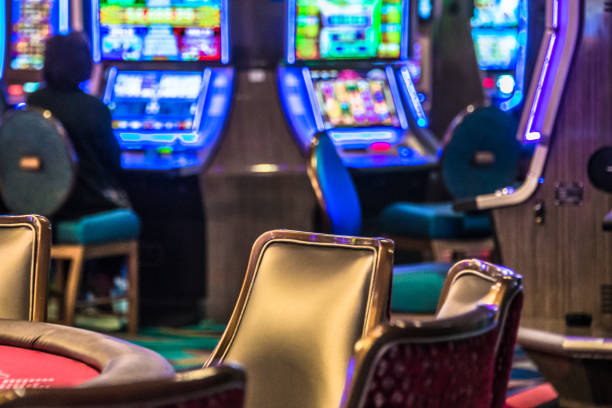
The physical layout and design of a casino are meticulously crafted to enhance the gambling experience. From the moment a player walks through the doors, they are enveloped in an environment designed to stimulate and excite. Bright lights, elaborate decorations, and strategically placed gaming machines create an immersive experience that encourages prolonged engagement. The absence of clocks and windows further disorients gamblers, making it easy to lose track of time and stay longer than intended.
Another psychological tactic employed by casinos is the arrangement of games. High-stakes games are often placed near entrances to attract experienced players, while lower-stakes slots are positioned in less prominent areas to entice casual gamblers. This strategic placement is not incidental; it plays on the psychological tendencies of different types of gamblers. Players tend to gravitate toward areas that give them a feeling of comfort and familiarity, which can enhance their desire to engage.
Moreover, casinos create a sense of community among gamblers through social interactions. The lively atmosphere, filled with chatter and cheers from winning players, fosters a communal experience that encourages individuals to gamble together. This social aspect can enhance the thrill of gambling, leading individuals to partake in betting activities as a form of entertainment. The mingling of players adds another layer to the psychological draw, making the casino experience not just about winning or losing, but about connecting with others.
The impact of bonuses and rewards
In today’s competitive gambling landscape, casinos employ various incentive strategies, including bonuses and rewards, to attract and retain players. These incentives not only enhance the gambling experience but also serve as psychological triggers that encourage individuals to continue gambling. For example, welcome bonuses often lure new players into the casino, giving them a false sense of security. The prospect of free play can diminish a player’s caution, leading them to wager more than they initially intended.
Loyalty programs also play a significant role in gambling behavior. Players are motivated to return to casinos to earn points that can be redeemed for rewards, creating a cycle of continued engagement. The psychology behind loyalty programs relies on the principle of commitment. Once players invest time and money to accumulate points, they are more likely to continue playing to justify that investment, often overlooking the losses incurred along the way.
The unpredictability of rewards also keeps players coming back. Unlike traditional retail loyalty programs where rewards are clear and attainable, casino rewards can be sporadic and erratic, creating a sense of excitement around the chance of winning something significant. This unpredictability can lead to what psychologists refer to as “intermittent reinforcement,” which is more effective than consistent reinforcement in sustaining behavior. As a result, players may find themselves returning to the casino in the hope of hitting a jackpot, despite the odds being stacked against them.
The psychological effects of online vs. offline gambling
The advent of online casinos has transformed the gambling landscape, introducing unique psychological dynamics. Online gambling offers unprecedented convenience, allowing players to engage from the comfort of their homes. This anonymity can lead to a sense of detachment, making individuals more likely to gamble impulsively. The absence of face-to-face interactions may reduce the perceived social risks associated with gambling, encouraging individuals to take more significant risks without immediate consequences.
Moreover, online casinos often utilize sophisticated algorithms to create personalized experiences tailored to user preferences. This customization can enhance the psychological appeal of online gambling, as players receive targeted promotions and game recommendations based on their activity. Such engagement strategies can lead to increased time spent gambling online, as players become engrossed in their tailored experiences.
In contrast, offline gambling in physical casinos tends to provide a more immersive experience. The atmosphere, social interactions, and sensory stimuli create an environment that can heighten emotions and increase the stakes involved. Players in casinos often rely on peer observations, making them more aware of their actions and decisions. This difference in psychological engagement between online and offline gambling illustrates how distinct environments can significantly influence behavior and decision-making processes.
Exploring non GamBlock casinos
The emergence of non gamblock casinos represents a critical shift in the online gambling landscape. These platforms cater to players who seek gaming options outside traditional self-exclusion schemes, providing an avenue for those looking to engage with gambling without restrictions. The psychological implications of such options cannot be overlooked, as they allow players to navigate their gaming habits in a way that might feel less controlled and more liberating.
Players who engage with non gamblock casinos often have varied motivations, from the thrill of unrestricted access to a wider array of games. The platform can serve as an enticing escape from self-imposed limitations, potentially encouraging more frequent gaming behavior. Such environments can amplify the psychological factors driving gambling behavior, tapping into the innate desire for freedom and excitement that many individuals seek.
Ultimately, understanding the psychology behind gambling behavior, whether in traditional casinos or online platforms, is essential for creating responsible gaming experiences. Non gamblock casinos offer players the opportunity to explore diverse gaming experiences while promoting informed choices. Educating players about the psychological factors driving their behavior can empower them to make better decisions and engage in responsible gambling practices, enhancing their overall gaming experience.